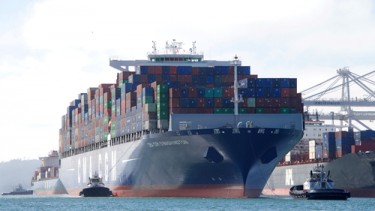
Day Shipping Law Waiver: Boosting US Supply Chains Amidst Geopolitical Volatility
In an increasingly interconnected yet volatile global landscape, the resilience of national supply chains has become a paramount concern. Recently, the United States made a significant move to address immediate economic pressures and supply chain vulnerabilities, particularly in the energy sector. A temporary 60-day us shipping law waiver was issued by President Donald Trump, specifically targeting the century-old Jones Act. This action, designed to mitigate surging energy costs stemming from geopolitical tensions, highlights the complex interplay between national security, economic policy, and the practical demands of keeping the nation's supply lines flowing smoothly.
The decision to temporarily lift restrictions on foreign-flagged vessels transporting cargo between U.S. ports is more than just a regulatory tweak; it represents a critical response to external shocks and an ongoing debate about the effectiveness of long-standing protectionist maritime laws in modern times. As the nation grapples with the repercussions of international conflicts on domestic prices, understanding this waiver's scope, implications, and the broader context of the Jones Act is crucial for businesses, consumers, and policymakers alike.
The Jones Act: A Cornerstone of US Maritime Policy Under Scrutiny
At the heart of the recent waiver lies the Merchant Marine Act of 1920, commonly known as the Jones Act. This landmark legislation was enacted with a clear objective: to bolster the American maritime industry and ensure national security. In essence, the Jones Act mandates that all goods transported by water between U.S. ports must be carried on ships that are:
- American-built: Constructed in shipyards within the United States.
- American-flagged: Registered under the U.S. flag.
- American-owned: At least 75% owned by U.S. citizens.
- American-crewed: Operated by a crew consisting of at least 75% U.S. citizens.
While proponents argue that the Jones Act is vital for maintaining a strong domestic shipbuilding industry, a skilled maritime workforce, and a strategic naval auxiliary fleet, critics often point to its significant economic drawbacks. These strict requirements, they contend, create a bottleneck in domestic shipping, leading to higher operational costs for carriers. These elevated expenses are then passed on to consumers through increased prices for goods, from crude oil to everyday commodities. The limited availability of compliant vessels and the reduced competition are often cited as factors hampering free trade and efficiency within the U.S. coastal and inland shipping sectors.
For decades, this law has been a subject of intense debate, with arguments often weighing national security benefits against economic efficiency. The recent temporary us shipping law waiver reignites this discussion, bringing its real-world impact into sharp focus.
Unpacking the Recent 60-Day US Shipping Law Waiver
The impetus for the recent 60-day us shipping law waiver was a pressing economic concern: rapidly escalating energy costs. Following U.S.-Israeli strikes on Iran, which plunged the West Asia into conflict, global energy markets experienced significant disruptions. According to AAA motor group data, U.S. gasoline prices surged by more than 27% since the war's outset, creating considerable financial strain on American households and businesses.
In response, President Trump issued a directive that would temporarily lift the ban on foreign-flagged vessels transporting cargo between U.S. ports for a period of 60 days. White House Press Secretary Karoline Leavitt emphasized that this move was "just another step to mitigate the short-term disruptions to the oil market as the U.S. military continues meeting the objectives of Operation Epic Fury." She further clarified that this action would enable vital resources such as "oil, natural gas, fertilizer and coal to flow freely to U.S. ports for sixty days."
The waiver's immediate and most significant impact is expected in the oil markets, particularly concerning the shipment of refined products like gasoline. These products often move from the large refinery complexes along the U.S. Gulf Coast to the more isolated East Coast. Under normal Jones Act restrictions, this route can be costly and time-consuming due to the limited number of compliant vessels. By allowing foreign-flagged ships, the waiver aims to increase shipping capacity, introduce more competition, and ultimately help stabilize or reduce energy prices by ensuring a more efficient flow of these critical resources. For a deeper dive into this specific action, you can read more at Trump Waives Jones Act: Easing Energy Costs Amid Conflict.
Beyond Energy: Broader Implications for US Supply Chains
While the immediate trigger for this us shipping law waiver was the energy crisis, its implications extend far beyond the oil markets. The Jones Act affects the transportation of all domestic maritime cargo, meaning its temporary suspension can have ripple effects across various sectors of the U.S. economy. Consider:
- Agricultural Products: Fertilizer, a key component mentioned by the White House, is crucial for farming. More efficient transport could help stabilize agricultural input costs.
- Construction Materials: Heavy goods like steel, cement, or aggregates often move by sea. A waiver could potentially lower their transport costs, influencing construction projects.
- Manufacturing Inputs: Any industry relying on bulk materials shipped domestically could see a short-term benefit from increased shipping options and potentially lower freight rates.
This situation underscores a broader vulnerability within U.S. supply chains: an over-reliance on limited domestic shipping capacity, which can be easily strained by unexpected events. The temporary nature of the waiver suggests it's a reactive measure, a band-aid solution to an acute crisis. However, it also opens up a discussion about long-term supply chain resilience. Should the U.S. consider more permanent reforms or mechanisms to ensure that its critical supply chains can withstand future shocks, whether geopolitical, natural, or economic? The administration's commitment to "continuing to strengthen our critical supply chains," as stated by Ms. Leavitt, suggests an awareness of this larger challenge.
For businesses, this waiver presents a temporary window of opportunity to potentially access more diverse and cost-effective shipping options for domestic movements. However, the temporary nature also necessitates quick adaptation and strategic planning to leverage these benefits before restrictions are reinstated. It's a reminder that agility and flexibility are paramount in today's dynamic global trade environment.
Navigating the Future of US Maritime Logistics
The recent us shipping law waiver highlights a recurring tension in U.S. economic policy: balancing the protection of domestic industries with the need for competitive markets and efficient supply chains. While the Jones Act serves important national security goals, its economic consequences – particularly its contribution to higher domestic shipping costs and reduced vessel availability – become acutely apparent during crises.
This event could catalyze further discussions regarding potential reforms or more systematic approaches to manage the Jones Act. Possible considerations might include:
- Streamlined Waiver Process: Developing clearer criteria and a more agile process for issuing waivers in emergencies, reducing bureaucratic delays.
- Targeted Exemptions: Exploring permanent, targeted exemptions for specific routes or types of cargo where domestic capacity is consistently insufficient.
- Investment in Domestic Capacity: Initiatives to boost U.S. shipbuilding and maritime training, thereby increasing the supply of Jones Act-compliant vessels and skilled crews.
- Strategic Reserve Fleet: Maintaining a strategic reserve of Jones Act-compliant vessels for emergency deployment, reducing the need for waivers.
The debate surrounding the Jones Act and its impact on pricing and logistics is ongoing, and a temporary waiver, while providing immediate relief, does not resolve the underlying structural issues. Businesses and policymakers must continue to evaluate how best to foster a robust and resilient domestic shipping infrastructure that can support the nation's economic and security interests without unduly burdening consumers or hindering trade. To understand more about the intricacies of this law and its financial repercussions, explore Jones Act Waiver Explained: Impact on US Shipping & Prices.
Conclusion
President Trump's decision to issue a 60-day us shipping law waiver is a pragmatic, albeit temporary, response to an urgent economic challenge fueled by geopolitical events. By temporarily easing the restrictions of the Jones Act, the administration aims to facilitate the freer flow of critical resources, particularly energy, to stabilize prices and support the nation's supply chains. This move underscores the delicate balance required between safeguarding national industrial capabilities and ensuring economic efficiency and resilience. As the U.S. navigates an unpredictable global environment, the effectiveness and future of its maritime laws will remain a crucial topic of debate, continuously shaping the nation's economic landscape and its ability to respond to future crises.